
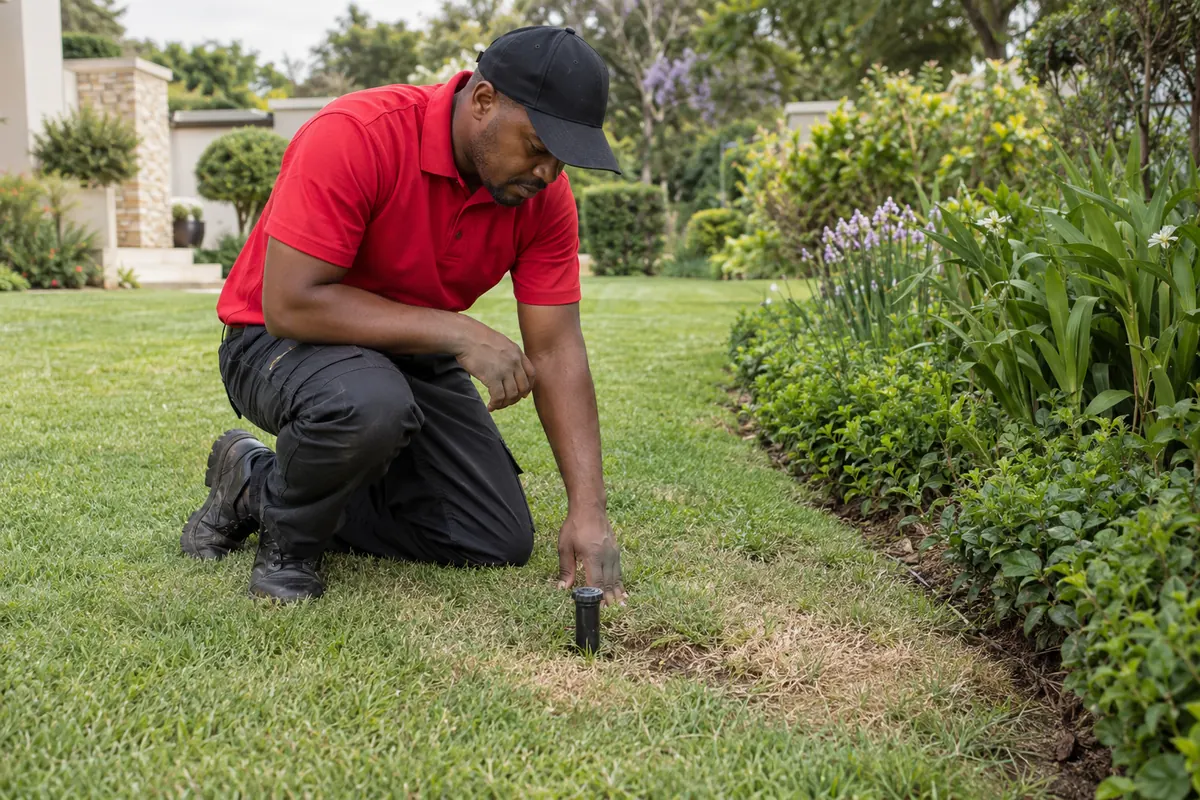
An irrigation system can appear to be running normally while part of the garden receives too little water and another part receives too much. Small faults often show up first as changes in coverage, pressure or soil condition. Noticing those changes early makes it easier to identify the affected zone and limit unnecessary water loss.
The following signs do not all point to the same repair. They are useful starting points for deciding when the system needs a closer inspection.
1. The Same Dry Patch Keeps Returning
A dry area that remains after normal watering may indicate a blocked nozzle, incorrect sprinkler arc, poor head position or a pressure problem. It can also happen when plants have grown across the spray path.
Avoid increasing the run time for the whole zone immediately. Watch the area while the sprinklers operate. If nearby sections are already receiving enough water, the fault is probably local to the dry patch.
2. Water Collects Where It Never Did Before
Unexpected pooling can be caused by a damaged head, loose fitting, underground pipe leak or valve that does not close fully. Wet ground between watering cycles deserves attention, especially if it stays soft during otherwise dry weather.
Check whether the water appears only when one zone runs or continues after the controller has stopped. That detail helps narrow the search and can shorten the fault-finding process.
3. Sprinkler Pressure Has Changed
Heads that no longer rise properly, weak spray and shorter throw can all point to reduced pressure. One blocked head may affect only a small area, while a damaged line or partially operating valve can influence a larger part of the zone.
Very high pressure creates a different problem. Fine mist can drift away from the intended area, particularly in windy conditions. Both low and excessive pressure can reduce useful coverage.
4. A Zone Does Not Start or Stop Correctly
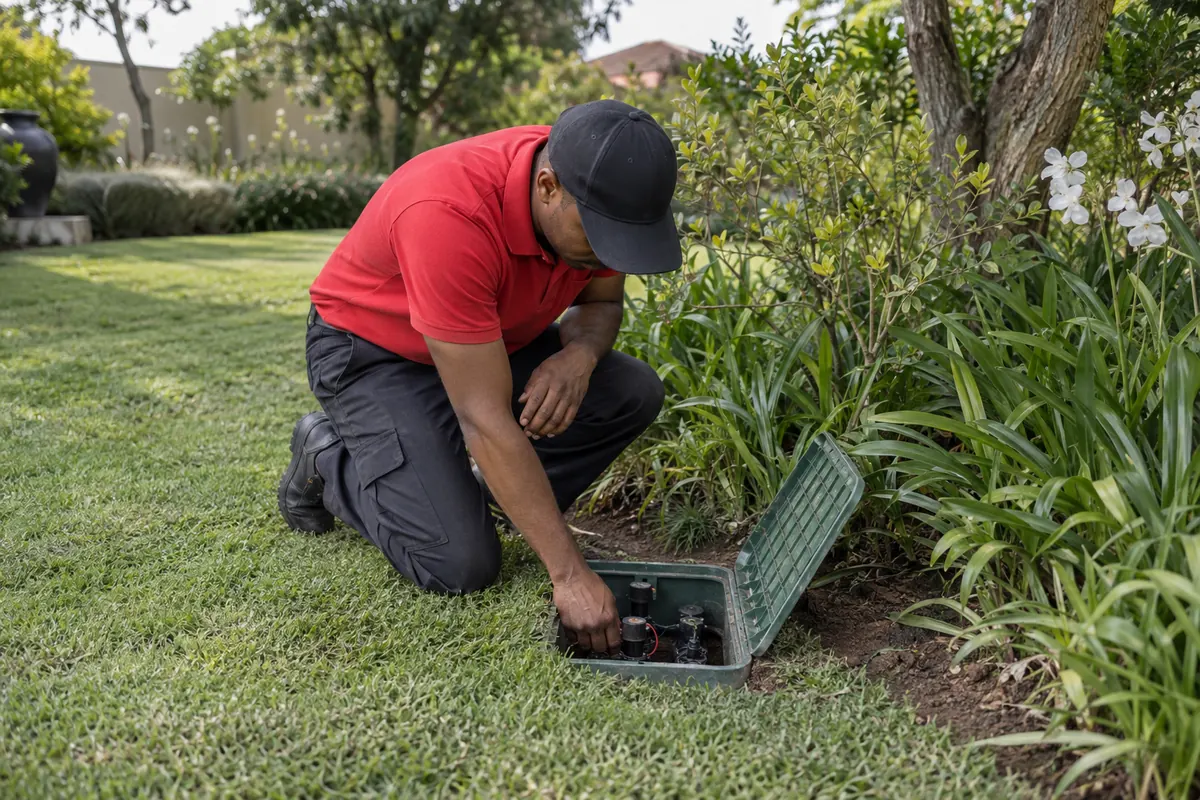
When one zone fails while others operate, the cause may be at the controller, wiring, solenoid or valve. A zone that continues running after its programme ends also needs prompt attention.
Start by confirming the programmed days and run times. If those settings are correct, manual zone testing can help determine whether the problem is electrical, mechanical or related to the water supply.
5. Sprinklers Are Watering Walls, Paving or the Road
Overspray is not only inconvenient. It can indicate that heads have shifted, arcs are incorrect, nozzles are unsuitable or the original layout no longer matches the garden.
Landscaping changes are a common reason for this. A bed may have been widened, a path added or a hedge allowed to grow into the spray pattern. Repositioning or changing a head can sometimes solve the problem without altering the entire system.
6. Your Water Use Changes Without a Clear Reason
An unexpected increase in water use can have several causes, so the irrigation system should be checked alongside household plumbing and other water use. Look for longer controller programmes, extra watering days, a valve that passes water while closed or a leak that is hidden below ground.
Run each zone separately and watch the water meter where it is safe and practical to do so. Record what you observe rather than digging immediately. A planned inspection is less likely to damage cables, pipes or healthy planting.
7. Drip Lines Water Unevenly
Drip irrigation should deliver controlled water close to the intended plants. Dry emitters, saturated sections or water escaping from a join suggest blockages, damage, filtration problems or unsuitable pressure.
Inspect the visible line and end points, then check whether the issue affects one emitter or the full run. Long lines and elevation changes may require more than a quick emitter replacement.
What to Note Before Booking a Repair
Useful information makes the first conversation clearer. Write down which zone is affected, whether the issue happens every time, when it started and whether landscaping or building work took place nearby. Photos or a short video can also show the pattern.
Do not open electrical controller components or excavate around unknown services unless you have the right experience. It is usually better to identify the affected area and keep access clear for inspection.
Irrigation Fault Finding Across Pretoria
911 Irrigation Systems assists homes, estates and commercial properties with practical irrigation system repairs in Pretoria. We also inspect underground irrigation piping and sprinkler coverage where the source of the problem is not immediately visible.
Our service area includes Pretoria East, Pretoria Central, Pretoria West, Pretoria North and Centurion. To arrange a visit, send us the property location and a short description of the fault.